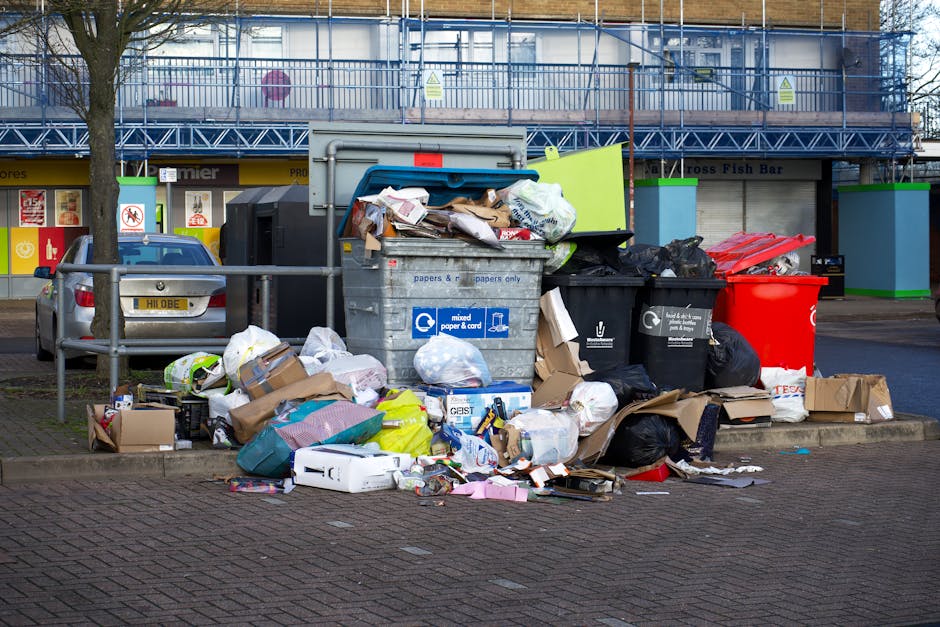
Basildon SS15 rubbish removal insider tips for narrow streets

If you have ever tried to shift bulky rubbish down a tight SS15 street, you will know the headache already. Parked cars, narrow pavements, awkward corners, and that one low-hanging branch can turn a simple clearance into a slow shuffle. These Basildon SS15 rubbish removal insider tips for narrow streets are designed to help you plan smarter, move faster, and avoid the usual last-minute stress.
Truth be told, narrow roads change everything. What looks like a straightforward rubbish removal job on paper can become a access puzzle in real life. The good news? With a little planning, the right timing, and a few practical workarounds, you can make the whole process smoother and less disruptive for everyone involved.
This guide walks through the realities of working in tight Basildon streets, how removal teams usually handle access, what mistakes to avoid, and when it makes sense to choose a full-service clearance instead of trying to do it all yourself. A lot of people think rubbish removal is just about lifting and loading. It is not. In narrow streets, it is really about logistics.
- Why narrow-street rubbish removal matters
- How the process works in SS15
- Benefits and practical advantages
- Who needs this approach
- Step-by-step guidance
- Expert tips for better results
- Common mistakes to avoid
- Tools, resources and recommendations
- Law, compliance and best practice
- Options and comparison table
- Real-world example
- Practical checklist
- Conclusion
- Frequently asked questions
Why Basildon SS15 rubbish removal insider tips for narrow streets Matters
Narrow streets are not just inconvenient. They affect vehicle access, loading times, neighbour relations, and even what type of waste collection or clearance method makes sense. In SS15, where you may have terraced homes, shared access roads, side entrances, and parking pressure, poor planning can quickly mean delays. And delays often mean extra cost or a lot of wasted energy.
Why does this matter so much? Because most rubbish removal problems in tight streets are avoidable. The wrong van size, a blocked curb, or leaving bags too far from the pick-up point can force crews to double-handle waste. That means more lifting, more trips, more risk of damage, and more frustration for everyone. Nobody wants a sofa wedged halfway through a doorway at 8:30 in the morning. It's not a great start to the day.
The other side of the issue is neighbour impact. In smaller streets, one awkward collection can block driveways or make bins inaccessible. Good planning keeps things tidy and keeps the peace. That sounds minor until you have had a neighbour complain before you have even finished the first load.
If you are comparing clearance options, it can also help to understand the difference between specialist services. For example, general waste removal may suit mixed household clutter, while house clearance is better when you need a fuller, room-by-room approach. For single heavy items, a focused service such as furniture disposal may be the more practical choice.
How Basildon SS15 rubbish removal insider tips for narrow streets Works
In narrow streets, rubbish removal works best when you think in stages rather than one big lift-and-go moment. First comes access assessment. Then item sorting. Then timing. Then loading. Simple enough in theory, but each step matters more when space is tight.
Usually, a clearance team will want to know three things in advance: how easy it is to park, how far items need to be carried, and whether anything is heavy, sharp, damp, or awkwardly sized. A bulky wardrobe, a broken shed panel, and a stack of mixed black bags all behave differently once they meet a tight passageway.
In practice, the team may park as close as legally and safely possible, then move waste by hand or with small handling equipment if the route allows it. If the street is especially tight, they may need a shorter vehicle, staggered loading, or a split collection time to avoid congestion. You will often find that the best results come from moving items to the front boundary or a more accessible point before the crew arrives. Not glamorous, but effective.
For example, rubbish from a garden side return or rear alley might be moved to the front of the property first. That saves repeated carrying through a house and helps keep floors and walls clear of scuffs. If the job involves outside waste too, a service like garden clearance can be useful because it is planned around outdoor access and mixed green waste.
In some cases, the most efficient route is not the obvious one. A back entrance, shared passage, or garage side door can be better than the front if the pavement is too narrow or cars are parked bumper to bumper. That is the kind of detail that saves time. Sometimes a side gate is a blessing; sometimes it is just a gate that sticks in the rain. You learn these things quickly.
Key Benefits and Practical Advantages
The real benefit of narrow-street planning is not just speed. It is control. When you know how the access works, you reduce stress, protect the property, and avoid the back-and-forth of rescheduling. That alone can be worth a lot.
- Less handling: Items are moved fewer times, which cuts the chance of breakage and mess.
- Faster loading: A clear access route means the crew can work steadily rather than stop-start.
- Lower disruption: Neighbours, drivers, and pedestrians are less likely to be blocked.
- Better safety: Narrow routes need more care, especially with heavy or sharp waste.
- Cleaner finish: Good planning helps prevent rubbish being left behind in awkward corners.
There is also a mental benefit, and honestly, that matters. When the collection is planned well, you do not spend the whole morning staring out the window wondering whether the van will fit. You can get on with your day.
Commercially, a good access plan can also make the quote process more accurate. If a company knows the street is narrow and the parking is limited, they can price the work more realistically and avoid surprise charges later. That is much better than guessing and hoping for the best.
If the job is not just rubbish but a wider declutter, home clearance can be a more efficient option because it allows the crew to plan around multiple rooms, heavier items, and access bottlenecks in one visit.
Who This Is For and When It Makes Sense
This approach is for anyone dealing with awkward access in SS15. That includes homeowners, landlords, letting agents, tenants moving out, and small businesses on tight streets. It is also useful if you are clearing items after decorating, downsizing, or emptying a garage that has somehow become a storage unit for everything except the car.
It makes sense when:
- parking near the property is limited or unpredictable
- the pavement is narrow or frequently used by pedestrians
- there is a side entrance, alley, or rear access that needs planning
- you have bulky items such as wardrobes, beds, white goods, or garden furniture
- you need a quick turnaround without upsetting neighbours
- the waste includes mixed household clutter, not just one type of item
It is especially relevant for flats and shared buildings, where access can be a bit of a juggling act. A well-planned flat clearance can save a surprising amount of time if stairs, hallways, and tight doorways are all part of the picture.
If your job includes old furniture, broken chairs, or worn-out tables, a focused service like furniture clearance may be more suitable than a general rubbish lift. The key is matching the service to the access reality. Not the other way round.
Step-by-Step Guidance
Here is a practical way to approach rubbish removal in a narrow SS15 street without making it harder than it needs to be.
- Assess the access first. Check the street width, parked cars, turning space, gates, and any low obstacles. A quick walk outside can reveal more than ten photos ever will.
- Group the waste by type. Separate heavy items, loose rubbish, recyclable material, and anything that needs special handling. This saves time once loading starts.
- Clear the route inside and outside. Move items nearer to the exit point if it is safe to do so. Avoid leaving obstacles in hallways or on steps.
- Pick a sensible time slot. Early morning or a quieter part of the day can reduce pressure from traffic and neighbours. In busy streets, timing is half the battle.
- Check parking realistically. If a large vehicle cannot stop right outside, think about the next best legal place and how far items will need to be carried.
- Warn neighbours if needed. A short, polite heads-up can prevent awkward moments. Especially if the street is tight and temporary blockage is likely.
- Prepare for the final sweep. Bags, screws, splinters, and broken fragments often get left behind. Do a last look before the crew leaves or before you finish yourself.
A useful rule of thumb: the less searching and sorting that happens on the street, the smoother the job. Sorting inside, in advance, nearly always pays off. It's boring, yes. But it works.
If you are dealing with office contents, archives, or mixed commercial waste, the same logic applies. A well-planned office clearance can avoid blockage at the kerb and keep the workflow tidy.
Expert Tips for Better Results
After enough clearances in awkward streets, a few habits stand out. They are not complicated. They just make life easier.
- Measure the awkward bits, not just the room. Door widths, gate openings, corner turns, and stair landings matter more than square footage.
- Use smaller loads if access is limited. It is sometimes faster to do two tidy runs than one overloaded attempt.
- Keep fragile items separated. Broken glass, loose nails, and jagged metal should not travel with soft waste.
- Choose dismantling where it helps. Beds, wardrobes, shelving, and sheds often become much easier once broken into manageable sections.
- Protect floors and paintwork. Old blankets, cardboard, or simple corner protection can prevent avoidable scuffs.
- Think about noise. Dragging heavy items over paving at 7am is not ideal. Gentle handling keeps complaints down.
One small thing people overlook: wet waste. Damp bags, garden cuttings after rain, or waterlogged cardboard weigh much more than they look. If you have ever lifted a "light" pile that felt like wet brick, you already know. That little detail can change the whole job.
For larger mixed loads, waste removal planning matters even more. A straightforward waste removal service is often best when the job includes general household debris and not just one category of item. If you are also dealing with older furniture that needs to leave the property carefully, furniture clearance and furniture disposal can be the right pairing.
And here is a slightly old-fashioned but true tip: keep a pen and paper handy. A quick handwritten note of what is going, where access is awkward, and what must stay can save a lot of confusion. Not fancy. Very effective.
Common Mistakes to Avoid
Most narrow-street problems come from rushing. The job looks simple, so people assume the access will sort itself out. It rarely does.
- Booking without checking access. If a van cannot reasonably park nearby, the team needs to know before arrival.
- Leaving everything at the front door in one heap. That can block escape routes and make the job slower, not faster.
- Forgetting about parking restrictions. A perfectly legal job plan can still go wrong if the vehicle has nowhere practical to stop.
- Mixing hazardous items into general rubbish. This includes sharp objects, chemicals, and anything that needs special handling.
- Assuming a big van is always best. In a tight street, a smaller vehicle or split load may be more efficient.
- Not checking for hidden access options. Rear lanes, side gates, or shared passages can sometimes be the simplest route.
Another common mistake is underestimating the time needed to move items from upstairs or the back garden. A job that looks like "just a few bags" can become twenty trips if the route is awkward. Not impossible, just tedious. And tedious jobs are where mistakes creep in.
If you are working from a loft or attic, the access issue gets even more noticeable. A proper loft clearance should be planned with care because narrow staircases and low ceilings can turn simple lifting into a balancing act.
Tools, Resources and Recommendations
You do not need a warehouse of kit to handle rubbish removal well. In fact, in tight Basildon streets, simple tools often work best.
| Tool or resource | Best use | Why it helps in narrow streets |
|---|---|---|
| Heavy-duty gloves | Handling rough or sharp waste | Protects hands during repeated lifting |
| Blankets or floor protection | Moving furniture indoors | Helps prevent scuffs in narrow hallways |
| Reusable sacks or strong bags | Loose rubbish and mixed small items | Makes carrying easier through tight routes |
| Basic tape measure | Checking gates, doors, and corners | Stops guesswork about whether large items will fit |
| Pen, note app, or checklist | Planning what goes and what stays | Reduces confusion during the actual move |
For businesses, a more structured approach can be helpful, especially if there are regular collections or mixed materials. A dedicated business waste removal service is often easier to schedule when access is awkward and timing matters. For site work or renovation debris, builders waste clearance can be the better fit because building waste is heavier, messier, and usually more awkward to handle by hand.
There is also a sustainability angle worth considering. Sorting reusable, recyclable, and general waste before the collection can make disposal more efficient. If that matters to you-and for many people it does-have a look at the provider's approach to recycling and sustainability.
Law, Compliance, Standards, or Best Practice
When rubbish removal happens in a narrow street, safety and legal responsibility matter. That includes how waste is carried, where vehicles stop, and what gets removed. The exact obligations depend on the type of waste and who is handling it, so it is wise to be cautious rather than assume.
At a practical level, good practice usually means avoiding obstruction, not placing items where they could trip pedestrians, and making sure waste is handled by a suitably insured and competent team. If you are hiring a service, ask whether they have appropriate insurance and follow documented safety procedures. That is not being fussy. That is being sensible.
For your own part, do not leave hazardous or questionable materials mixed into general waste just because it is quicker. If something looks unsafe, heavy, or unusual, it should be identified early. Clear communication helps a lot here. A short message about sharp edges, damp items, or access problems can prevent a messy day.
If you want more background on responsible operations, a provider's health and safety policy and insurance and safety information are useful signposts. They should not be ignored. In narrow streets, a careful method is not a luxury; it is part of the job.
Best practice also includes respect for neighbours and shared spaces. A quick tidy after loading, keeping pathways clear, and not blocking access for longer than necessary all make a real difference. Small things, but they add up.
Options, Methods, or Comparison Table
If you are deciding how to handle rubbish in a narrow SS15 street, the best method depends on volume, item type, and access. Here is a simple comparison to help.
| Method | Best for | Pros | Limitations |
|---|---|---|---|
| DIY multiple car trips | Small amounts of light rubbish | Flexible, lower upfront cost | Time-consuming, tiring, awkward in narrow streets |
| Skip placement | Longer projects with space available | Good for ongoing waste over time | May be difficult where road width and parking are limited |
| Full removal team | Mixed loads, bulky items, tight access | Faster, less lifting for you, better for difficult streets | Usually needs clear access planning and accurate job details |
| Specialist item clearance | Furniture, garage contents, loft items, or garden waste | More tailored to the load type | May not suit jobs with several waste categories mixed together |
For many people in SS15, a tailored clearance service wins simply because it saves hassle. If the property is full of mixed items, a general approach may work better than trying to separate everything into many tiny jobs. That said, if the volume is small and the route is easy, DIY may still be perfectly reasonable. The right answer is the one that fits the street, not just the rubbish.
Case Study or Real-World Example
Here is a realistic example, based on the sort of job people commonly face in Basildon. A homeowner on a narrow residential street had old bedroom furniture, several bags of mixed clutter, and a few garden items left from a recent tidy-up. The front of the house had limited parking, and one neighbour regularly used the space outside the property during the day.
Instead of waiting until collection day and hoping for the best, the owner checked the access route the day before. They measured the side gate, moved smaller items into one corner of the hallway, and separated the furniture from the loose waste. They also warned the immediate neighbours that a clearance team would need short-term access early in the morning.
On the day itself, the crew used the side route for the smaller items and the front door for the larger furniture, which reduced the number of back-and-forth trips. The result was simple: less delay, fewer awkward pauses, and a tidy finish. The job was not magical. It was just planned properly. That is the quiet trick, really.
This is a good example of how narrow-street rubbish removal works best when access, item type, and timing all line up. A job that looks difficult on Monday evening can feel straightforward by Tuesday morning if the practical bits are sorted in advance.
Practical Checklist
Use this quick checklist before rubbish removal in a narrow SS15 street.
- Check where the vehicle can legally stop.
- Measure gates, doorways, and any tight corners.
- Separate heavy items from loose waste.
- Identify anything sharp, damp, or unusually heavy.
- Clear a route from the waste to the exit point.
- Protect floors, walls, and door frames if needed.
- Choose a time that avoids the busiest parking period.
- Tell neighbours if the street may be briefly blocked.
- Keep what stays and what goes clearly labelled.
- Do a final sweep for screws, shards, and small debris.
Key takeaway: in narrow streets, the best rubbish removal plan is the one that reduces handling and keeps access simple. Small adjustments before collection day can save a lot of hassle later.
Get a free quote today and see how much you can save.
Conclusion
Basildon SS15 rubbish removal insider tips for narrow streets come down to one thing: planning for the street you actually have, not the one you wish you had. Once you accept the realities of tight parking, awkward corners, and limited turning space, the rest gets easier to manage.
Keep the route clear, sort items in advance, choose the right service type, and do not underestimate the value of a quick neighbour heads-up. Those small decisions turn a stressful clearance into a manageable one. Not effortless, maybe. But manageable. And sometimes that is exactly what you need.
If you are stuck between doing it yourself and booking help, think about the carrying distance, the item size, and how much time you really want to spend wrestling with bags on a narrow pavement. There is no prize for making life harder than necessary. A calm, well-planned clearance has a way of feeling better all round.
And when the street is finally clear, there is a certain relief to it. You can hear the quiet again.
Frequently Asked Questions
What is the main challenge with rubbish removal in narrow SS15 streets?
The biggest challenge is access. Tight parking, limited turning space, and frequent parked cars can slow down loading and make it harder to move bulky items safely.
Should I move rubbish to the front before the collection day?
Yes, if it is safe and practical. Pre-staging items closer to the exit usually saves time and reduces repeated lifting through the house or garden.
What kinds of waste are hardest to remove in tight streets?
Bulky furniture, broken wardrobes, damp garden waste, and mixed clutter are often the hardest because they take up space and are awkward to carry around corners.
Is a small van better than a large van for narrow streets?
Often, yes. A smaller vehicle may park more easily and reduce the chance of blocking the road. The best choice depends on the actual access, though.
Do I need to tell my neighbours before a clearance?
It is not always required, but it is usually a good idea if access may be blocked briefly. A short heads-up can prevent complaints and make the day smoother.
What if the waste is in a back garden or rear alley?
That can still work well, provided the route is clear and safe. Rear access is often better than front access in narrow streets, especially if parking is tight.
Can rubbish removal teams handle furniture in tight hallways?
Yes, though it helps to measure doorways and remove obstacles first. If the item is large, dismantling may be the safest option.
How do I avoid extra delays on the day?
Sort waste beforehand, clear a path, confirm access details, and make sure the collection point is easy to reach. Small prep work really does pay off.
Is DIY rubbish removal worth it in a narrow street?
It can be, if the load is small and light. For bulky, heavy, or mixed waste, professional removal is often less stressful and less time-consuming.
What should I ask before booking a clearance service?
Ask how they handle access constraints, whether they need parking space, what types of waste they accept, and whether they have appropriate insurance and safety procedures.
Are there special concerns for flats and shared entrances?
Yes. Shared hallways, staircases, and communal entrances need extra care so the job does not inconvenience other residents or damage the property.
How do I know whether I need house clearance or general waste removal?
If you are clearing several rooms or a large amount of mixed household contents, house clearance may fit better. If you mostly have loose rubbish or a smaller mixed load, general waste removal might be enough.
What is the safest way to handle heavy waste in a narrow street?
Use a clear route, avoid overloading bags, protect your grip with gloves, and do not rush awkward lifts. For very heavy items, get help rather than forcing it.
What is the best first step if I am unsure about access?
Walk the route from the waste to the street and check the parking situation at the time of day the collection is likely to happen. That one walk often answers most of the questions before they become problems.