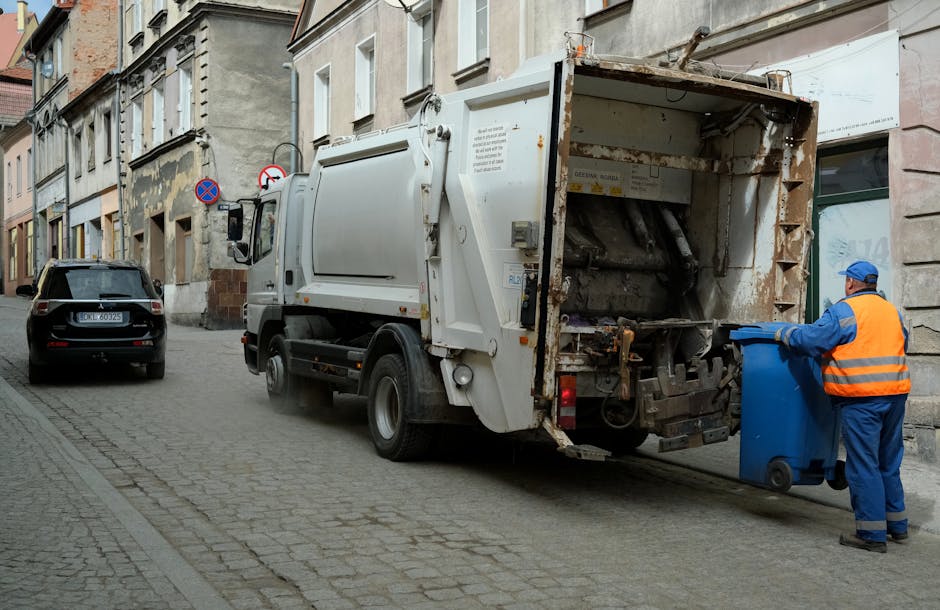
Basildon Town Centre rubbish removal guide for businesses
If you run a shop, cafe, salon, office, or any busy commercial premises in the centre of Basildon, rubbish has a habit of building up faster than you expect. One delivery box turns into three. A refit creates awkward offcuts. An office clear-out leaves you wondering where the old monitors and desks are meant to go. This Basildon Town Centre rubbish removal guide for businesses is here to make that side of the job feel a lot less messy, and a lot more manageable.
Below, you'll find a practical walk-through of how business rubbish removal works, what to consider before booking, how to stay on the right side of compliance, and which options make sense for different types of trade waste, bulky items, and one-off clearances. Truth be told, most businesses don't need drama here. They need a clear plan, a reliable collection method, and someone who understands the local pace of a town-centre working day.
Quick take: The best rubbish removal setup for a Basildon Town Centre business is usually the one that keeps your site tidy, avoids disruption to customers or staff, and makes duty-of-care paperwork straightforward. Simplicity wins.
Table of Contents
- Contents
- Why Basildon Town Centre rubbish removal guide for businesses matters
- How rubbish removal for businesses works
- Key benefits and practical advantages
- Who this is for and when it makes sense
- Step-by-step guidance
- Expert tips for better results
- Common mistakes to avoid
- Tools, resources and recommendations
- Law, compliance, standards, and best practice
- Options, methods, and comparison table
- Case study or real-world example
- Practical checklist
- Conclusion
- Frequently Asked Questions
Why Basildon Town Centre rubbish removal guide for businesses matters
Business waste is not just a back-room nuisance. In a town-centre setting, it affects presentation, safety, customer experience, stock control, and even how smoothly your day runs. If you're on a main retail stretch or tucked behind offices and shared access points, one badly timed pile of rubbish can block deliveries, irritate neighbours, and make a tidy business look untidy very quickly.
Basildon Town Centre brings a few common pressures together: regular footfall, shared access routes, mixed-use buildings, limited storage space, and the general reality that space is at a premium. A coffee shop can't usually keep sacks building up all week. A small agency can't really leave old cabinets in a corridor and hope for the best. And a contractor finishing a fit-out needs a way to remove waste without causing headaches for surrounding tenants.
That's why a sensible rubbish removal plan matters. It keeps premises cleaner, helps you respond faster to changes, and supports a better impression for clients and staff. It also helps reduce the risk of fly-tipping, fire hazards, vermin, trip hazards, and those awkward "we really should have sorted that earlier" moments. We've all seen them. Usually near closing time, usually when everyone is tired.
For many businesses, the real issue is not volume alone. It's unpredictability. One week is calm; the next week you are replacing shelving, clearing cardboard, and shifting old stock. A structured approach turns that into a process rather than a scramble. If you need ongoing support, a dedicated business waste removal service in Basildon can be far easier to manage than trying to improvise with ad hoc disposal every time something builds up.
How rubbish removal for businesses works
At its simplest, business rubbish removal is the organised collection, sorting, loading, transport, and disposal or recycling of waste generated by commercial activity. That can include general waste, cardboard, packaging, office furniture, shop fittings, broken storage units, unwanted stock, and light construction debris from refits or maintenance.
The process usually starts with a quick assessment. A decent provider will ask what type of waste you have, how much there is, whether anything is heavy or awkward, and how access works. In a town-centre environment, access matters more than people sometimes expect. Is there a lift? Is loading only possible at certain times? Is parking tight? Are there shared entrances? These little details can change the whole plan.
From there, the provider should give a realistic quote, explain what can be taken, and agree a collection time that works around your trading hours. For some businesses, that means an early-morning visit before the shutters go up. For others, it means a quieter afternoon slot once customers have gone. The best arrangements are the ones you barely notice happening.
If the waste includes furniture or fixtures, a service like office clearance or furniture clearance may be more appropriate than a basic bin collection. For heavier or mixed debris from works, builders waste clearance is often the better fit.
In many cases, responsible companies will separate recyclable material where possible, load items safely, and issue the relevant paperwork or invoice details. That part may sound boring. It isn't, really. It is the bit that keeps the job accountable and helps you show that waste left your premises through proper channels.
Key benefits and practical advantages
Businesses usually look at rubbish removal as a cost. Fair enough. But the right arrangement saves time and reduces friction in ways that are easy to underestimate.
- Cleaner customer-facing spaces: Your entrance, frontage, and shared walkways stay presentable.
- Less disruption: Collections can be planned around trading hours and staff schedules.
- Better space use: You stop waste from eating into storage, stockroom, or back-office space.
- Safer premises: Fewer trip hazards, blocked exits, and overloaded corners.
- Improved compliance: Proper handling helps you meet duty-of-care expectations.
- Stronger recycling outcomes: Good providers will sort reusable and recyclable material where practical.
- Less admin stress: One clear collection beats juggling multiple ad hoc disposal runs.
There's also a quieter benefit: morale. Staff notice clutter. Customers do too. A tidy workspace feels calmer. That sounds obvious, but in a busy town centre, calm is not nothing. It can be the difference between a place that feels organised and a place that feels like it's constantly catching up.
For businesses with older stock, office furniture, or branded items that need replacing, a specialist route can be helpful. You may want to look at furniture disposal options if the items are no longer fit for use, while still making sure anything reusable is handled sensibly.
Who this is for and when it makes sense
This guide is useful for a broad range of Basildon Town Centre businesses, especially where waste builds up in unpredictable bursts rather than a neat weekly pattern. Think of it as a fit-for-purpose solution for practical people who would rather not spend half a day dealing with bags, boxes, and broken bits of furniture.
Common business types that benefit
- Retail shops clearing packaging, display units, and old stock
- Cafes, takeaways, and restaurants dealing with bulky packaging and back-of-house waste
- Offices removing desks, chairs, filing cabinets, and general clutter
- Salons and clinics replacing furniture, equipment, or storage
- Landlords and managing agents preparing a unit for new occupants
- Tradespeople and contractors handling non-hazardous renovation debris
It also makes sense when your team is already stretched. If your staff are busy serving customers, processing orders, or handling a fit-out deadline, waste removal shouldn't become a side project. Sometimes the "we'll sort it ourselves" plan becomes five people standing around a pile of mixed rubbish with no actual outcome. Not ideal.
Businesses with recurring waste may prefer ongoing arrangements, while those with one-off clear-outs may need a single collection. If you're not sure which camp you fall into, start by looking at the type of waste you generate and how often it appears. A small office refurb, for example, may only need one visit. A busy retail unit with constant packaging could benefit from a more regular service plan.
Step-by-step guidance
If you want the process to run smoothly, a little preparation makes a big difference. Here's a practical way to approach it.
- Identify the waste type. Separate general rubbish, cardboard, furniture, electrical items, and any material that needs special handling.
- Estimate volume honestly. A rough count of bags, boxes, or items is usually enough for an initial quote.
- Check access. Note stairs, lifts, narrow corridors, loading restrictions, parking limitations, and opening hours.
- Decide what stays and what goes. Mark items clearly. The more precise you are, the less chance of accidental removal.
- Request a quote. Use a provider that can explain pricing clearly and doesn't hide behind vague language.
- Schedule the collection. Choose a time that reduces disruption to customers, staff, and neighbouring businesses.
- Prepare the area. Move waste into one place if it is safe to do so, and keep access routes clear.
- Confirm disposal details. Ask how recyclable materials are handled and whether any documentation is provided.
- Review the result. Check the area is left tidy and that any agreed items have been removed as expected.
One small but useful habit: take photos before collection if the job is large or contains expensive fittings. It's a simple reference point and can prevent confusion later. No drama, just clarity.
Expert tips for better results
After enough collections, a few patterns become obvious. The smooth jobs are rarely the ones left to the last minute.
1. Group waste by material where you can
Cardboard, metal, wood, and reusable furniture are much easier to handle when separated. Even a basic sort can make collection faster and improve recycling outcomes. If you mix everything together, the job can still be done, but you lose some efficiency.
2. Think about customer flow
In town-centre spaces, even a small pile of waste near the entrance can affect footfall or create a poor first impression. Schedule removals at quieter times if possible. Early morning often works well. Late evening can too, depending on the type of business.
3. Don't underestimate access logistics
A quote based on "just a few items" can change if the items need carrying down stairs or through a busy shared corridor. It is better to mention awkward access upfront than to discover it halfway through the job.
4. Keep a simple waste log
You do not need a giant spreadsheet unless you want one. But a small record of collections, item types, dates, and receipts can help if questions arise later. Handy, especially for managed premises.
5. Match the service to the job
A small office clear-out is not the same as a refurbishment strip-out. A furniture-heavy job is not the same as a general rubbish load. The right provider should be able to explain the difference and recommend a suitable route, whether that is general waste removal or a more specific clearance service.
And yes, there will always be that one drawer full of cables nobody can identify. Every office has one. Somehow it breeds.
Common mistakes to avoid
Most problems with business rubbish removal come from small oversights rather than major failures. The good news is that they're easy to avoid once you know what to look for.
- Leaving it too late: Waste builds up, storage disappears, and the collection becomes more complicated.
- Giving vague descriptions: "A bit of office stuff" is not as helpful as a clear list of items.
- Ignoring access issues: Stairs, parking, loading points, and time restrictions matter.
- Mixing hazardous and non-hazardous items: These may need different handling. Don't assume everything can go together.
- Choosing only on price: The cheapest option can become expensive if it is slow, unclear, or poorly handled.
- Forgetting to check what is included: Labour, loading, disposal, and recycling may not all be priced the same way.
One realistic example: a small shop clears out display shelving on a Friday afternoon, then realises the collection team can't access the back lane because deliveries are already booked in. That's the sort of thing that can be fixed, but only if someone has thought about it in advance. Small detail, big difference.
Tools, resources and recommendations
You do not need specialist equipment for every job, but a few practical tools can make preparation much easier.
- Heavy-duty bin bags: Useful for loose general waste and smaller packaging materials.
- Labels or tape: Ideal for marking what stays and what goes.
- Trolley or sack truck: Helpful for moving boxed waste safely within the premises.
- Basic inventory list: Particularly useful for furniture, equipment, and multi-item clearances.
- Phone camera: Handy for documenting waste volume, item condition, or pre-collection setup.
- Clear route plan: A quick map of access, parking, and collection points can save time on the day.
From a service perspective, it is worth reviewing pages that explain how a provider handles process and trust. For example, a dedicated pricing and quotes page can help you understand how estimates are built, while recycling and sustainability information gives a clearer picture of what happens after collection.
If you want to check the company background before booking, the about us page is also worth a look. It's one of those things people often skip, then wish they hadn't.
Law, compliance, standards, and best practice
For business waste, the important principle is simple: you remain responsible for waste produced by your business until it is properly transferred and handled. In UK practice, that means using a reputable carrier, keeping records where appropriate, and making sure your waste is not passed to someone who might dump it unlawfully. The details vary by situation, so if you have regulated, hazardous, or unusual items, it is sensible to get specific advice.
Best practice usually includes:
- Using a provider that clearly explains what they take and how they dispose of it
- Keeping invoices, job notes, or transfer records where relevant
- Separating recyclable material where practical
- Not leaving waste in public or shared areas longer than necessary
- Making sure staff know where waste should be stored before collection
Health and safety also matters. Bags that are overfilled, awkward furniture left in a corridor, and stacked items in narrow spaces can all create avoidable risk. If your premises have tighter access, it is worth reviewing a provider's health and safety policy and insurance and safety details before booking. That may feel a bit administrative, but it's a sensible habit.
If your business is especially concerned about ethical supply chains and responsible operations, some companies also publish a modern slavery statement. It is not the first thing most people look for, naturally, but it does tell you something about governance and standards.
Finally, if you ever need clarity on contractual details, policies, or what happens if something goes wrong, useful pages such as terms and conditions and complaints procedure can help set expectations. Clear expectations are underrated.
Options, methods, and comparison table
Not every business needs the same rubbish removal method. Here's a straightforward comparison to help you decide what fits best.
| Method | Best for | Pros | Watch-outs |
|---|---|---|---|
| Regular commercial waste collection | Ongoing day-to-day waste | Predictable, routine, easy to schedule | Less suitable for bulky items or one-off clear-outs |
| One-off rubbish removal | Clearances, refurbishments, moving out | Flexible, fast, tailored to the job | Needs accurate waste description and access details |
| Office clearance | Desks, chairs, cabinets, mixed office items | Good for bulky furniture and equipment | May require more planning around building access |
| Builders waste clearance | Refits, light construction debris, renovation waste | Useful for mixed non-hazardous works waste | Not suitable for everything; check item restrictions |
| Furniture clearance | Replacing reception, back-office, or display furniture | Quick way to remove large items cleanly | Condition and item type affect reuse and disposal options |
In practice, a lot of businesses end up using a blend. A retail unit might use regular waste collection for packaging and a one-off clearance for a store refresh. An office might need a periodic office clearance and the occasional furniture clearance when things get replaced. That is normal. Real businesses are messy in their own way.
Case study or real-world example
Imagine a small professional services office in Basildon Town Centre preparing for a reorganisation. The team has old desks, a couple of broken chairs, a stack of archive boxes, and some mixed packaging from new equipment deliveries. Nothing dramatic. Just enough to make the back room look crowded and the corridor feel narrower than it should.
The manager spends ten minutes listing the items, takes a few photos, and checks access for collection. There is a lift, but it is small, and the loading area is only free early in the morning. They book the removal for before opening hours, set the items together in one room, and label what must stay.
On collection day, the team can walk in, load efficiently, and finish without disturbing customers. The office is clearer by 9am, staff can move safely, and the manager avoids using the weekend for a task nobody wanted in the first place. Nothing glamorous. Just a smooth day.
That is usually the aim with commercial rubbish removal: not perfection, just less friction. Less lifting by your staff, less clutter in your building, less risk of delays. And if a provider can help with broader services too, such as waste removal, it becomes easier to keep the whole site under control over time.
Practical checklist
Use this checklist before you book a collection or clear-out.
- List the items and waste types clearly
- Separate anything reusable from general rubbish
- Check whether any items need special handling
- Measure access points if the space is tight
- Confirm collection timing and any building restrictions
- Make sure staff know where to place items
- Keep walkways and exits clear
- Ask for a transparent quote before booking
- Check what paperwork or receipt you will receive
- Review the result once the job is done
If you are comparing providers, it can also help to check how they handle payments and security. A clear payment and security page can give you a better sense of professionalism, and the main contact us page should make it easy to ask practical questions before you commit.
Practical summary: The best commercial rubbish removal is usually the one that fits your premises, your trading hours, and your waste mix without creating extra work for your team. Keep it simple, keep it documented, and don't leave access planning until the last minute.
Conclusion
For businesses in Basildon Town Centre, rubbish removal is rarely about just taking things away. It is about keeping your space usable, your team focused, and your customers seeing a business that looks organised rather than overloaded. A good process removes stress as well as waste.
Whether you need a one-off clearance, ongoing business waste support, or help with bulky items after a refit, the smartest approach is to match the service to the real job in front of you. Ask clear questions, check access, confirm what is included, and choose a provider that treats your time and premises with respect. That's the difference between a rushed job and a proper one.
Get a free quote today and see how much you can save.
And if you do sort it properly, you'll feel it. The room looks bigger, the air feels lighter, and suddenly the whole place just works a bit better. Funny how much rubbish can change the mood of a building.
Frequently Asked Questions
What counts as business rubbish in Basildon Town Centre?
Business rubbish can include general waste, cardboard, packaging, broken furniture, office items, retail fixtures, and light refurbishment debris. The exact mix depends on your type of business and how you operate day to day.
Is business waste removal better than using regular bins?
For recurring small waste, bins may be enough. But if you have bulky items, office clear-outs, shop refits, or sudden waste spikes, a dedicated removal service is usually much more practical and less disruptive.
Do I need to separate recycling before collection?
It helps if you can. Separating cardboard, metal, wood, and reusable items can make collection easier and supports better recycling outcomes. You do not always need a perfect sort, but some basic separation is useful.
How do I know if I need office clearance or general waste removal?
If you are getting rid of desks, chairs, filing cabinets, or multiple large items, office clearance is often the better fit. If it is mostly mixed rubbish, packaging, or bagged waste, general waste removal may be enough.
Can rubbish removal be done outside business hours?
Often, yes. Many town-centre businesses prefer early morning or quieter off-peak times to reduce disruption. It is worth asking when booking, especially if access is limited during trading hours.
What should I tell a provider before collection?
Be specific about the type and amount of waste, access conditions, stairs or lifts, parking, and whether any items are heavy or awkward. The more accurate the information, the smoother the job tends to be.
Are there items that need special handling?
Yes. Some items may require separate treatment, depending on what they are and their condition. If you have anything unusual, it is best to ask in advance rather than assuming it can all go together.
How can I compare rubbish removal quotes fairly?
Compare what is included, not just the headline price. Look at labour, loading, disposal, access assumptions, and whether recycling is part of the service. A cheaper quote may not be cheaper in practice if extras appear later.
Is it worth booking a one-off clearance for a small business?
Very often, yes. A one-off clearance can free up storage, improve safety, and save your staff the time and hassle of trying to move awkward items themselves. For many small businesses, that time is better spent elsewhere.
How can I make sure my business is handling waste responsibly?
Use a reputable provider, keep records, ask how waste is processed, and make sure your own team knows where items should be stored before collection. Pages like health and safety policy and recycling and sustainability can help you assess whether a provider's approach feels responsible.
What if I have a complaint or something goes wrong?
Check the provider's complaints process before booking so you know how issues are handled. A clear procedure is a good sign that the business takes service quality seriously, even if something unexpected happens.
Where can I ask for a quote or get help with a specific job?
The best next step is to contact the provider directly with a clear description of the waste, the access situation, and your preferred timing. If you already know the type of clearance you need, mentioning that up front helps a lot.