SS14 rubbish collection tips for Basildon flats and maisonettes
If you live in a flat or maisonette in SS14, rubbish collection can feel deceptively simple until the bins start overflowing, the shared hallway gets messy, or a collection is missed on a windy morning. Basildon homes in apartment blocks and converted buildings often need a slightly different approach from a standard house on a driveway. Access, storage space, neighbours, timing, bin etiquette, and the building layout all affect how smoothly waste gets collected.
This guide brings together practical, local-minded SS14 rubbish collection tips for Basildon flats and maisonettes so you can reduce mess, avoid common mistakes, and make life easier for everyone in the building. Whether you manage one flat or a whole block, the aim is the same: cleaner shared spaces, fewer complaints, and collections that run without unnecessary drama. To be fair, most problems are preventable once you know what to look for.
For wider support on related local services, you may also find it useful to look at waste management in Basildon, the company's domestic waste disposal options, and Basildon communal waste collection if your block uses shared bins. If you are dealing with a one-off clear-out, the house clearance service in Basildon can also be relevant.
Table of Contents
- Why SS14 rubbish collection tips for Basildon flats and maisonettes Matters
- How SS14 rubbish collection tips for Basildon flats and maisonettes Works
- Key Benefits and Practical Advantages
- Who This Is For and When It Makes Sense
- Step-by-Step Guidance
- Expert Tips for Better Results
- Common Mistakes to Avoid
- Tools, Resources and Recommendations
- Law, Compliance, Standards, or Best Practice
- Options, Methods, or Comparison Table
- Case Study or Real-World Example
- Practical Checklist
- Conclusion
- Frequently Asked Questions
Why SS14 rubbish collection tips for Basildon flats and maisonettes Matters
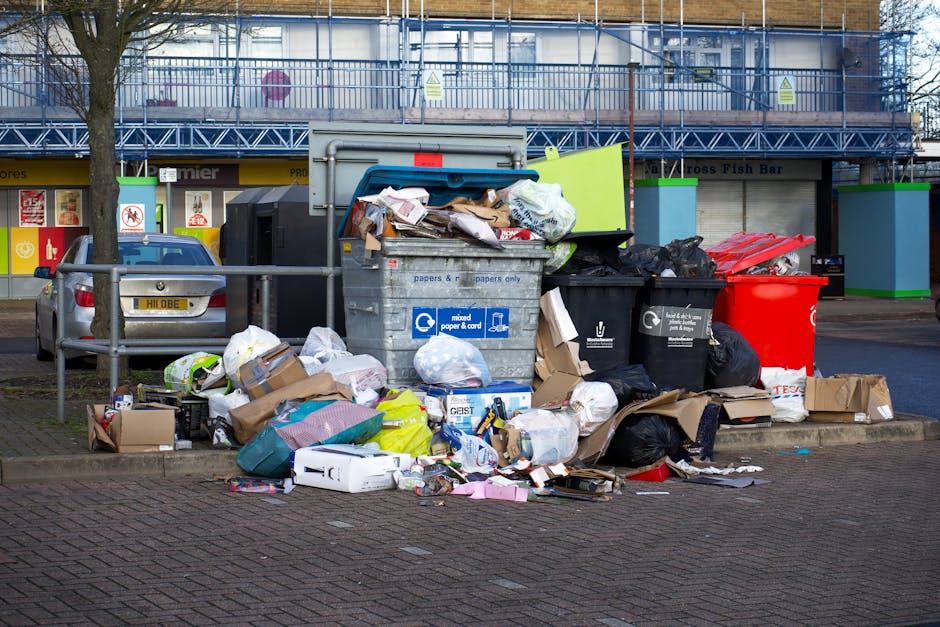
In flats and maisonettes, rubbish collection is never just about putting bags out on the right day. It is about shared access, limited storage, building rules, neighbours, and the practical reality of where waste sits between collections. One loose bag on a landing can become everyone's problem. One overflowing bin store can attract flies, create smells, and make the whole building feel untidy very quickly.
That is especially true in SS14, where many residents rely on communal arrangements rather than private curbside bins. If the system works, nobody thinks about it. If it doesn't, people notice immediately. A blocked path, a bin left too far from the collection point, or a recycling container filled with the wrong items can cause knock-on issues that are annoying now and more expensive later.
There is also a social side to it. Shared spaces only stay pleasant when everyone does their bit. A clear process makes it easier for residents, landlords, agents, and caretakers to stay on the same page. And honestly, that small bit of order goes a long way in a building where people want peace and a bit of breathing room.
If you are trying to improve a block's overall waste routine, it can help to think about the wider context too. Services such as commercial waste disposal in Basildon may be relevant where a building has mixed-use units, while office clearance in Basildon can matter if there are workspaces or management offices on-site. Different waste streams need different handling. That's just how it is.
How SS14 rubbish collection tips for Basildon flats and maisonettes Works
At a practical level, rubbish collection for flats and maisonettes works best when the whole chain is clear: where waste is stored, how it is separated, when it is moved, and who is responsible for each step. In a house, one household manages all of that. In a block, it is shared, which means confusion can creep in if nobody has set expectations.
Most problems happen in one of four places:
- Storage - not enough room for bins, bags, or recycling containers.
- Access - narrow paths, locked gates, steps, or awkward collection points.
- Sorting - mixed recycling, food waste in the wrong bin, or rubbish placed beside containers.
- Timing - bins put out too early, brought back too late, or missed because the schedule is unclear.
Good collection habits help at every stage. For example, if a block keeps the bin store tidy and routes clear, collection crews can work faster and with less friction. If residents flatten cardboard, bag loose waste properly, and avoid overfilling containers, the building looks better and smells better. Small things, yes, but they stack up.
Many flats and maisonettes in SS14 also benefit from simple communication. A notice in the entrance, a shared WhatsApp group, or a management reminder before collection day can prevent the classic "I thought someone else would do it" situation. Let's face it, that one shows up in every block sooner or later.
For properties that need a deeper clean-out before resetting waste routines, rubbish removal in Basildon and waste clearance in Basildon can help remove accumulated clutter so the collection process starts from a cleaner baseline.
Key Benefits and Practical Advantages
Putting better rubbish habits in place is not just about tidiness. It can make a noticeable difference to how a block feels and functions day to day. Residents tend to notice the absence of problems more than the improvements themselves, which is a bit unfair but true.
- Cleaner shared areas - fewer bags left in hallways, lift lobbies, or landings.
- Reduced odours - especially useful in warm weather or in buildings with limited ventilation.
- Lower pest risk - food waste and loose rubbish are less likely to attract rodents or insects.
- Fewer missed collections - clear placement and better timing help avoid issues.
- Less neighbour friction - expectations are clearer, so there is less room for disputes.
- Better appearance - which matters for both residents and visitors, and frankly for peace of mind.
There is also a management benefit. Landlords, housing officers, and resident groups often find that a tidy waste setup reduces repeated complaints. That saves time. It also makes it easier to spot genuine issues such as damaged bins, blocked access, or repeated contamination of recycling.
If a building handles bulky waste, one-off clear-outs, or recurring overflows, it may be worth comparing routine collection habits with a more structured service approach such as bulk waste collection in Basildon or furniture disposal in Basildon. Those services are especially useful after tenancy changes, refurbishments, or a flat clean-up that fills a bin store much faster than usual.
Who This Is For and When It Makes Sense
This guidance is for anyone dealing with waste in SS14 flats or maisonettes, but some readers will feel the pain more than others.
- Tenants who want to avoid missed bins, neighbour complaints, or block notices.
- Homeowners in converted properties or shared buildings who need a reliable routine.
- Landlords who want to reduce maintenance issues and keep tenants happy.
- Managing agents and resident associations responsible for communal bin areas.
- Caretakers and cleaners who need a practical process rather than guesswork.
It makes sense to tighten up your rubbish routine when you notice any of these signs:
- bags being left near the bin store because containers are full
- recycling rejected because it contains the wrong materials
- bin lids not closing properly
- smells building up near communal entrances
- residents unsure which day to put containers out
Even if the system is only slightly off, it can slowly become a nuisance. A lot of people wait until there is a bigger issue. Truth be told, the smarter move is to sort the routine before the block starts grumbling about it.
Step-by-Step Guidance
If you want a simple way to improve rubbish collection in a flat or maisonette, work through the process in order. Do not jump straight to extra bins or signs before the basics are in place. Otherwise, you can end up decorating a bad system rather than fixing it.
1. Check how waste is currently stored
Start with the bin store, the side access path, the rear alley, or wherever your building keeps waste. Is there enough room to move bins safely? Are bags sitting on the floor? Is there any overflow after the collection day? A quick walk-through often shows the real problem within thirty seconds.
2. Identify the waste streams
Separate general rubbish, recycling, food waste, bulky items, and any special waste your building may produce. In mixed-use blocks, this can get messy fast. A clear split helps people know where things belong. If there is any uncertainty, simplify the setup rather than adding more categories than the building can realistically manage.
3. Make the collection point obvious
Residents should not need to guess where bins go. Mark the area clearly. If the building uses shared containers, make sure the path is uncluttered and that access is not blocked by bikes, prams, deliveries, or plant pots that have somehow multiplied overnight.
4. Set a bin-day routine
Create a routine for moving bins out and returning them after collection. If the task is shared, assign it. If one person does it, make sure they are not carrying the whole burden forever. In a smaller maisonette, this might mean one resident agrees to move the bins on collection morning. In a larger block, a caretaker or managing agent may need a fixed schedule.
5. Reduce waste volume before it reaches the bins
Flatten cardboard, squash plastic packaging, and avoid leaving air-filled bags taking up room. The weird thing about waste is that it often seems to grow by half just because it was never compressed properly. Tiny habit, big difference.
6. Keep food waste contained
Food scraps should be wrapped or placed in the correct container if the building uses one. This is one of the simplest ways to reduce odours and pest attraction. A sealed kitchen caddy or small lidded bin can help a lot, especially in summer when the smell can creep in quickly.
7. Monitor what keeps going wrong
If the same issue returns every week, do not assume people are being careless for the sake of it. Often the layout, timing, or instructions are unclear. A very short notice can solve what a long argument never will. Strange, but true.
If a property needs a more complete reset, it can be worth reviewing related services such as flat clearance in Basildon or property clearance in Basildon before re-establishing the normal collection routine. Removing old clutter first makes the system easier to manage.
Expert Tips for Better Results
A few small habits can make a surprisingly large difference. These are the kinds of things that experienced property managers, cleaners, and residents tend to notice after dealing with enough bin stores to last a lifetime.
- Use sturdy liners so bags do not split on stairs or in corridors.
- Keep a spare bag or two in the bin area for overflow days or awkward last-minute waste.
- Label bins clearly if residents regularly mix general waste and recycling.
- Move bins early enough to avoid missing crews but not so early that they block access for hours.
- Check lids and wheels often, because damaged bins create unnecessary hassle.
- Use simple signage with plain words and, if useful, pictures. Long notices get ignored. Short ones get read.
Another useful trick is to think seasonally. In colder months, waste may not smell as quickly, but wet cardboard and heavy rain can make storage areas messy. In warmer spells, odour control becomes more important. Around Monday morning, after a busy weekend, collections can also look fuller than expected. The rhythm matters.
If your block has recurring overspill, it may be more sensible to arrange periodic support rather than relying on ad hoc bag-pushing and hope. For example, skip hire in Basildon can sometimes suit refurbishment or major decluttering projects, while wheelie bin hire in Basildon may help during short-term pressure periods. The right option depends on the building and the amount of waste involved.
Common Mistakes to Avoid
Most rubbish collection problems in flats and maisonettes are not dramatic. They are just small errors repeated often enough to become a nuisance.
- Leaving bags beside the bins instead of in them or in the correct container.
- Overfilling bins so lids will not close and waste spills out.
- Mixing recycling with general waste because nobody is quite sure what goes where.
- Putting bins out too late after the collection vehicle has already passed.
- Blocking bin access with bikes, furniture, deliveries, or loose household items.
- Ignoring smells or pests until the issue has already spread.
- Assuming someone else will sort it in a shared building. A classic mistake. Very common.
Another common issue is poor communication. If residents do not know the system, they will invent one. That usually leads to a patchwork of habits that no one planned. Better to keep instructions short, visible, and consistent.
And if the problem is not routine waste but leftover belongings after a move, a tenancy end, or a poorly managed clear-out, it is usually smarter to use a dedicated clearance service rather than trying to squeeze everything into standard bin collections. That saves time and a fair bit of stress too.
Tools, Resources and Recommendations
You do not need fancy equipment to improve waste handling in a flat or maisonette. Most of the helpful tools are simple and inexpensive, though the right choice depends on the size of the block and how many residents use the bins.
| Tool or Resource | Best for | Why it helps |
|---|---|---|
| Clear bin labels | Shared bins and recycling areas | Makes sorting easier and reduces confusion |
| Sturdy bin liners | Kitchen waste and small household rubbish | Helps prevent leaks and splits |
| Compact kitchen caddy | Food waste control | Reduces odours and improves hygiene |
| Noticeboard or printed reminder | Communal buildings | Keeps collection days and rules visible |
| Bin store tidy-up kit | Caretakers and resident groups | Simple way to keep the area clean and usable |
| Periodic clearance support | Overflow, moves, and deep clean-outs | Prevents waste from building up beyond normal collections |
It can also help to keep a basic log of recurring problems. Nothing elaborate. Just a note of when bin stores overflow, when contamination happens, or when access is blocked. Over a few weeks, patterns become clear. Once you see the pattern, fixing it gets easier.
Where a block produces more waste than the regular system comfortably handles, a wider waste management plan may be needed. In those cases, exploring waste management services in Basildon can help you think beyond a single collection day and toward a more stable long-term setup.
Law, Compliance, Standards, or Best Practice
Waste handling in shared properties should be approached carefully and sensibly. While the exact duties can vary depending on whether you are a tenant, landlord, managing agent, or freeholder, the general expectation in the UK is straightforward: waste should be stored safely, presented properly for collection, and not allowed to create a hazard, nuisance, or obstruction.
That means a few practical standards usually matter in flats and maisonettes:
- Safe access - collection crews should be able to reach bins without unnecessary obstruction.
- Proper containment - waste should not spill into shared corridors or external walkways.
- Clear responsibility - someone should know who moves bins, who reports faults, and who arranges support if needed.
- Suitable storage - bin areas should be kept reasonably tidy and usable.
If your block includes commercial units or mixed occupancy, waste expectations may be different again. That is where a more structured arrangement can be sensible. For some properties, periodic landlord waste services in Basildon help keep a site compliant and manageable without making residents guess who is responsible for what.
Because local rules and building responsibilities can vary, it is wise to treat this as best-practice guidance rather than legal advice. If a block has repeated overflow, access problems, or suspected contamination issues, it may be worth reviewing the building's waste arrangements in writing and clarifying who handles what. That simple step avoids a lot of back-and-forth later.
Options, Methods, or Comparison Table
Different buildings need different waste approaches. A small maisonette with a couple of households will not behave like a larger block with multiple shared bins. Here is a practical comparison.
| Method | Best for | Pros | Watch-outs |
|---|---|---|---|
| Standard bin routine | Smaller flats and maisonettes | Simple, low effort, easy to maintain | Can fail if residents are not consistent |
| Communal bin management | Larger blocks | Clearer for multiple households, more scalable | Needs rules, reminders, and upkeep |
| Scheduled clearance support | Overflow or periodic clean-outs | Stops build-up, useful after moves or refurbishments | Not a substitute for good weekly habits |
| Bulky waste solution | Large items, furniture, broken household goods | More efficient than trying to force items into bins | Needs planning and the right service |
For most SS14 flats and maisonettes, the best approach is a mix: a simple weekly routine, clear resident guidance, and occasional support for bigger clear-outs. That combination is usually more reliable than trying to solve everything with one single method.
Case Study or Real-World Example
Imagine a small maisonette block where two ground-floor households share a bin area at the side of the property. Over a few months, rubbish starts appearing beside the bins, recycling gets mixed in with food packaging, and one bag gets ripped open by the wind on a wet Tuesday morning. Nothing dramatic. Just messy enough to become annoying.
The fix was straightforward. The residents agreed on one collection routine, labelled the bins clearly, and moved a small notice to the entrance so nobody had to guess the schedule. They also trimmed back access clutter near the bin store, which made collection much easier. Within a few weeks, the area looked calmer. Not perfect, but better. Much better.
What mattered most was not a special piece of equipment. It was consistency. Once the routine was clear, people stopped making their own assumptions. That is usually the turning point in shared buildings.
In a slightly larger block, the same idea might be supported by a more formal clearance or management plan, especially if residents turn over often or the property sees regular moves. When that happens, a practical service such as bedroom clearance in Basildon or broader house clearance in Basildon can help reset the space before bad habits settle in again.
Practical Checklist
Use this checklist if you want a quick reset for your block, flat, or maisonette.
- Check where the bins are stored and whether access is clear.
- Make sure residents know which bin is for general waste and which is for recycling.
- Confirm collection days and the best time to put bins out.
- Remove stray bags, loose cardboard, and unwanted items from the bin area.
- Inspect lids, wheels, and handles for damage.
- Flatten cardboard and reduce bulky packaging volume.
- Keep food waste sealed and contained.
- Use simple signage if the building has shared bins.
- Assign responsibility for bin movement and reporting issues.
- Arrange extra support if waste regularly exceeds normal collection capacity.
Expert summary: The best rubbish collection setup for SS14 flats and maisonettes is usually not the fanciest one. It is the one that people can actually follow every week without confusion, clutter, or last-minute scrambles.
Get a free quote today and see how much you can save.
Conclusion
Good rubbish collection in SS14 flats and maisonettes comes down to a few practical habits done consistently: clear storage, simple instructions, sensible timing, and a shared understanding of who does what. Once those pieces are in place, the whole building feels easier to live in. Less mess. Less stress. Fewer awkward conversations in the hallway.
If your current setup is already close to working, small improvements may be enough. If it has been drifting for a while, a more structured reset can make a big difference. Either way, the key is not to overcomplicate it. Keep the system simple enough that people will actually use it, and you are most of the way there. That is the real trick, truth be told.
And if the bins are already overflowing before you have finished the tea, don't worry. Most waste problems are fixable with a clear plan and a bit of consistency. One step at a time.
Frequently Asked Questions
What are the best SS14 rubbish collection tips for Basildon flats and maisonettes?
The best tips are to keep access clear, label bins clearly, separate recycling from general waste, reduce bag volume, and make sure everyone knows the collection routine. Simple systems tend to work best in shared buildings.
Why do flats and maisonettes need different rubbish collection advice?
Because they usually share storage areas, access routes, and collection points. One person's habit affects everyone else, so the system needs more coordination than a standard house.
How can I stop rubbish smells in a communal bin area?
Keep food waste sealed, avoid overfilling bins, clean the storage area regularly, and make sure lids close properly. In warmer weather, small smells can become much more noticeable, so regular housekeeping really helps.
What should I do if the bin store is always full?
First check whether waste is being sorted correctly and whether bins are being used efficiently. If overflow keeps happening, you may need more frequent clearance support or a better-sized waste arrangement for the building.
Can I put bulky items out with regular rubbish collection?
Usually not. Bulky items such as furniture, mattresses, or large broken household goods are often better handled through a dedicated bulky waste or clearance service rather than normal bin collections.
How do I get neighbours to follow the bin rules?
Keep instructions short, visible, and consistent. A simple notice, friendly reminder, or resident agreement often works better than long explanations. People are much more likely to follow a system they can understand at a glance.
What if I live in a maisonette with very little outdoor space?
Focus on compact waste storage, clear collection timing, and regular bag removal so waste does not build up indoors. If space is tight, reducing volume and using the right container makes a bigger difference than you might expect.
Are there legal responsibilities for rubbish in shared flats?
There can be, depending on whether you are a tenant, landlord, managing agent, or freeholder. In general, waste should be stored safely and collected in a way that does not create nuisance, obstruction, or hygiene problems. For exact responsibilities, check the property arrangements in writing.
How often should communal bins be checked?
That depends on the size of the block and how quickly waste builds up, but regular visual checks are sensible. In practice, a short weekly check is often enough to spot overflow, damage, or access issues before they turn into bigger problems.
What is the easiest way to reduce waste in a flat?
Flatten cardboard, recycle properly, avoid unnecessary packaging, and keep food waste under control. Small habits save bin space quickly, especially in smaller flats where every litre of space counts.
When should I use a clearance service instead of normal collections?
If you have a move, a deep declutter, renovation waste, or a recurring overflow problem, a clearance service is usually the more sensible choice. Normal collections are best for routine household waste, not bigger one-off jobs.
Can better rubbish collection really make a building feel nicer?
Absolutely. Clean bin areas, clear walkways, and fewer smells have a quiet but real effect on how a block feels. It is one of those small changes that everyone notices, even if they do not always say so.